
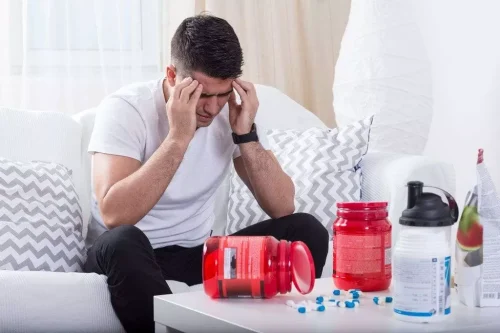
Higher levels of demand are present in individuals with alcohol use disorder and correlate with the severity of alcohol dependence (MacKillop et al., 2010). Elevated demand may also encourage addiction through price (in)sensitivity. Consistent with this, individuals who consume larger amounts of alcohol are less price sensitive than moderate drinkers (Meier, Purshouse, & Brennan, 2010). Similarly, biases or changes in behavioral economic demand for alcohol can alter or limit the effectiveness of policy. For example, taxation policies that attempt to reduce heavy consumption by increasing the cost of alcoholic beverages may be less effective for individuals with high demand for alcohol, as these individuals are willing to pay more for alcoholic beverages. As noted, individuals who are addicted to, or dependent on, a substance, including alcohol, exhibit more demand for the product (MacKillop et al., 2010).
- Similarly, biases or changes in behavioral economic demand for alcohol can alter or limit the effectiveness of policy.
- It can also weaken your bones, placing you at greater risk of fracturing or breaking them.
- Thus, for example, a glass of wine often contains more than 5 fluid ounces and therefore may correspond to one and a half or even two standard drinks.
- The consequences of underage drinking can affect everyone—regardless of age or drinking status.
Neuropsychopharmacology: Official Publication of the American College of Neuropsychopharmacology
For example, studies in Lithuania (Chenet et al. 2001) found that cardiovascular deaths increased on weekends, when heavy drinking is more common. In conclusion, our study confirmed consequences of driving drunk include: previous findings that clinically significant impairment in driving performance and psychomotor functioning was evident at a BAC of 0.07%. This BAC is above the legal limit for driving of 0.05%, enforced in most countries around the world (World Health Organization et al. 2018), although in some countries, such as England and parts of the USA, a legal limit of 0.08% is enforced.
Effects of alcohol at 0.05% blood alcohol concentration (BAC) on low speed urban driving
Blackouts are gaps in a person’s memory for events that occurred while they were intoxicated. These gaps happen when a person drinks enough alcohol to temporarily block the transfer of memories from short- to long-term storage—known as memory consolidation—in a brain area called the hippocampus. Alcohol is a factor in about 25% of suicides, about 40% of fatal burn injuries, about 50% of fatal drownings and of homicides, and about 65% of fatal falls. The rate of alcohol-related emergency department visits increased by nearly 50% from 2006 to 2014, and about one-third of injuries treated at trauma centers are alcohol related.
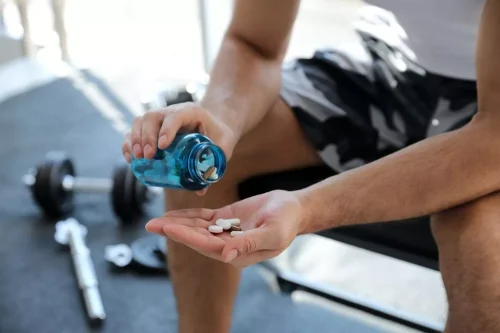
Alcohol is the most common drug young people use
- The following sections will look at these disease categories individually.
- Because intoxication is characterised by impaired judgement, drivers under the influence of alcohol may overestimate their capacity to safely operate a vehicle.
- With each alcohol withdrawal episode, the brain and nervous system becomes more sensitised and the resulting side effects become more pronounced.
- Either directly or indirectly, we all feel the effects of the aggressive behavior, property damage, injuries, violence, and deaths that can result from underage drinking.
- 1.5 million people are arrested each year for driving under the influence of alcohol.
- If a car in front of you suddenly stops, for example, you may not hit the brakes in time if you’re impaired.
For example, the effectiveness of the .08 per se law may be partially due to changes in police practices and court system responses, rather than direct changes in decision makers’ evaluation of the policy. This does not necessarily imply that the policy produced this change directly in the decision maker; it could well be mediated by changes in police or legal system behavior in response to the policy. For example, alcohol-related aggression fits the alcohol myopia framework (Giancola, Josephs, Parrott, & Duke, 2010). Provocative cues might include an urge to retaliate, and inhibitory cues might include the negative consequences of choosing to retaliate. When intoxicated, the inhibitory cues are less salient and therefore attract less attention resulting in an increased likelihood of aggressive behavior.
- The good news is that no matter how severe the problem may seem, most people with AUD can benefit from treatment with behavioral therapies, medications, or both.
- A reduction in these abilities may ultimately result in an increased likelihood of collision.
- For the purposes of standardization, a drink is defined as 12 ounces of 5% alcohol beer; five ounces of 12% alcohol wine; or one and a half ounces of 80 proof (40% alcohol) liquor.
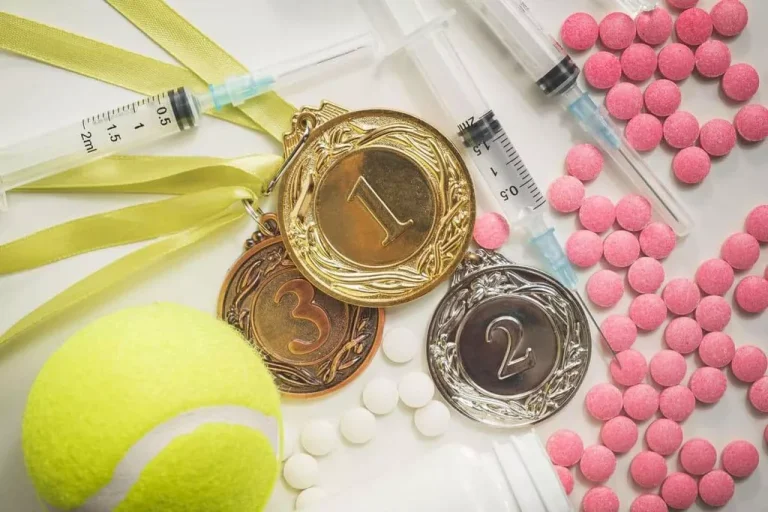
The overall effect of alcohol consumption on the global cardiovascular disease burden is detrimental (see table 2). Cardiovascular disease is a general category that includes several specific conditions, and alcohol’s impact differs for the different conditions. For example, the effect of alcohol consumption on hypertension is almost entirely detrimental, with a dose-response relationship that shows a linear increase of the relative risk with increasing consumption (Taylor et al. 2009). A similar dose-response relationship exists between alcohol consumption and the incidence of atrial fibrillation4 (Samokhvalov et al. 2010b).